
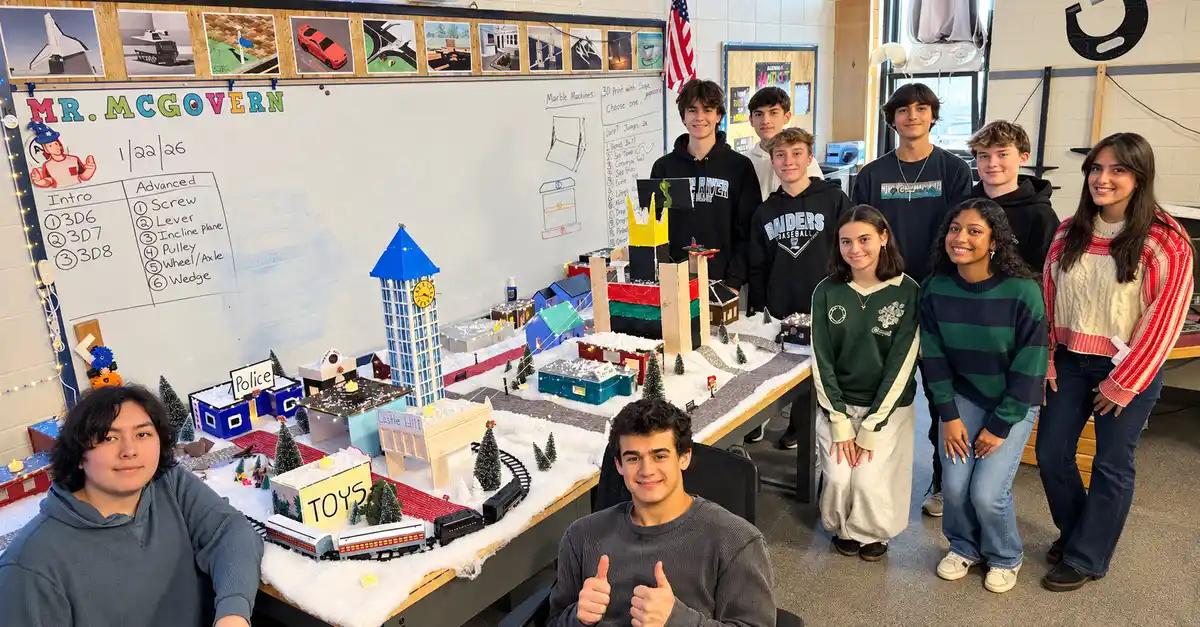
Picatinny Arsenal in northern New Jersey is home to the U.S. Army DEVCOM Armaments Center, where scientists, engineers, and technical experts develop the next generation of armaments and technologies that protect America’s Soldiers. More than 3,000 professionals support this mission, many of whom are engineers, scientists, program managers, and researchers working on some of the Army’s most critical modernization priorities.
The Army must continuously develop the talent that will sustain this mission. That is more challenging than it sounds. The engineer designing tomorrow’s precision-guided munitions or autonomous systems is not hired six months before a program begins. They emerge from college engineering programs, which begin with strong high school STEM preparation, which itself often starts with a single moment—often in middle school—when a student decides that science or engineering is a future they can see themselves pursuing.
If the Army misses that moment, the impact is not felt immediately. It appears years later as a shortage of qualified engineers, scientists, and technical professionals.
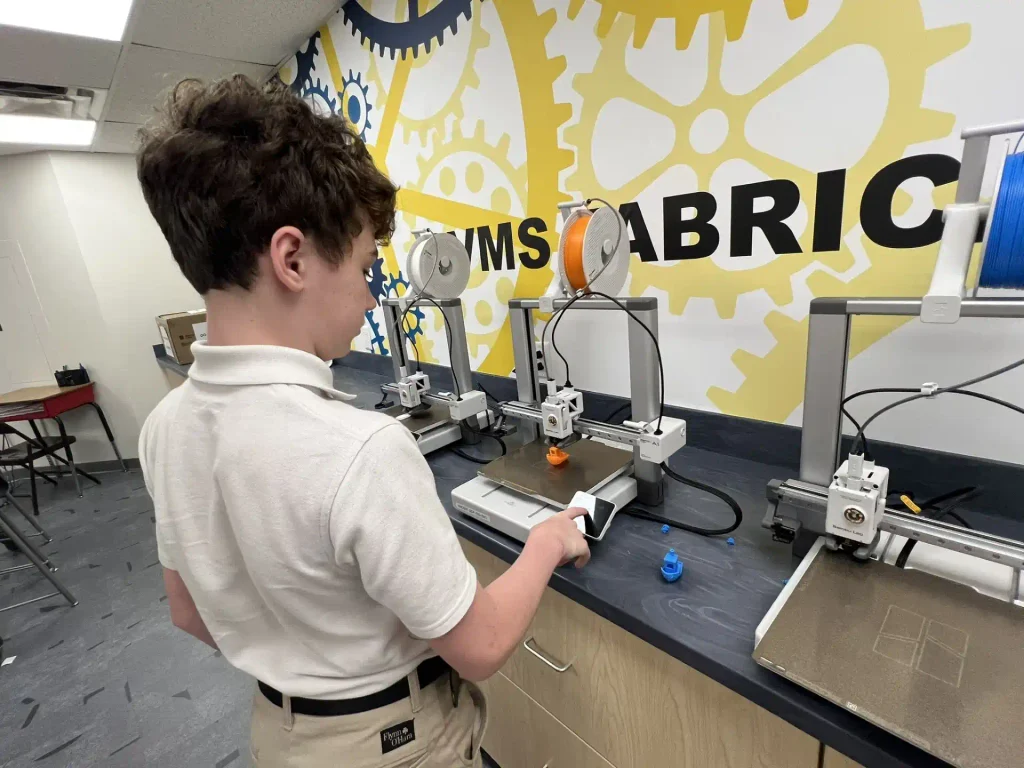
That is why the DEVCOM Armaments Center maintains a dedicated STEM Office. Its mission is to inspire students, expose them to Army science and technology, connect them with Army engineers and researchers, provide authentic hands-on experiences, cultivate future interns, and help strengthen the workforce pipeline that supports Army modernization.
Supporting a Complex Mission
When The Avery Group began supporting the DEVCOM Armaments Center STEM Office, the office was already delivering meaningful STEM outreach across New Jersey. Like many small government organizations with broad responsibilities, however, much of the work relied upon dedicated personnel managing numerous priorities simultaneously.
The STEM Office coordinated educational outreach, internship programs, volunteer engagement, special events, communications, reporting, acquisitions, and stakeholder collaboration across multiple Army organizations and external partners. Each initiative required coordination among Army leadership, schools, universities, nonprofit organizations, contractors, educators, volunteers, and community partners.
Internship operations alone required synchronization among Human Resources, Security, Information Technology, Legal, Army mentors, universities, schools, the Army Educational Outreach Program (AEOP), and numerous external stakeholders. Large-scale STEM events involving hundreds of students required detailed planning across logistics, registration, volunteer management, educational materials, communications, procurement, safety, and post-event assessments.
As participation continued to grow, opportunities emerged to further strengthen operational planning, standardize supporting processes, and improve coordination across the many organizations contributing to the mission.
How We Supported the Mission
The Avery Group worked alongside the Government STEM Office to help strengthen the operational framework supporting the Army’s STEM outreach and workforce development mission.
Our team supported the development of an annual engagement calendar that aligned outreach activities, internships, educational partnerships, competitions, volunteer initiatives, communications, reporting requirements, and strategic priorities throughout the fiscal year. This planning approach enhanced coordination with schools, universities, community organizations, Army subject matter experts, and external partners while improving visibility into upcoming activities.
In addition to strategic planning, our team provided operational and program management support across numerous mission areas, including:
This work drew upon expertise in project management, workforce development, communications, logistics, stakeholder engagement, outreach, data reporting, and operational planning to help support the Government team’s objectives.
Measuring Success
Success was measured by more than the number of events conducted.
Performance indicators included:
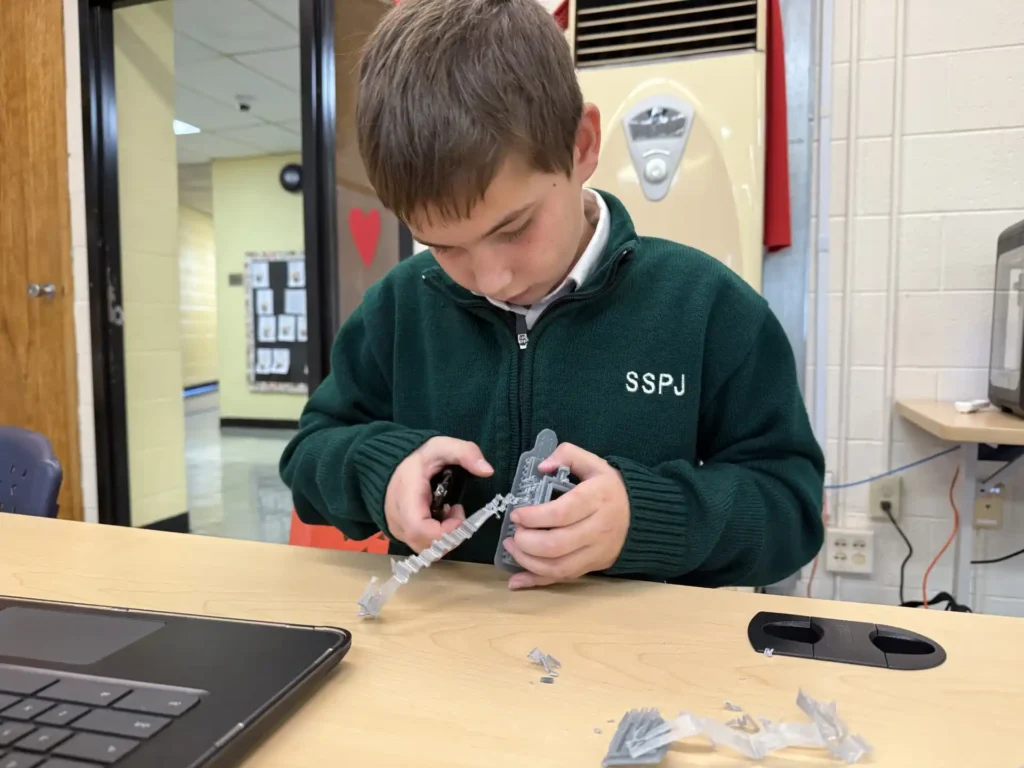
Structured post-event assessments helped capture participant feedback while identifying opportunities for continuous improvement. These assessments consistently reflected high levels of satisfaction among students, volunteers, educators, and Army stakeholders while providing valuable insights that informed future programming.
One of the most meaningful outcomes was helping establish processes and planning tools that supported continuity beyond individual events. Standardized documentation, recurring planning cycles, and strengthened partnerships contributed to a more sustainable operational framework that Government personnel could continue to build upon over time.
As The Avery Group Founder and CEO Akinwande Oshodi explains:
“The true measure of success is what happens after we leave. If the calendar still runs, the partnerships continue to grow, and the processes remain in place a year later, then we’ve accomplished our mission.”
Why This Matters
The DEVCOM Armaments Center exists to ensure America’s Soldiers maintain a technological advantage through innovation.
That mission depends upon scientists, engineers, researchers, technicians, and other STEM professionals whose career journeys often begin years before they ever consider federal service.
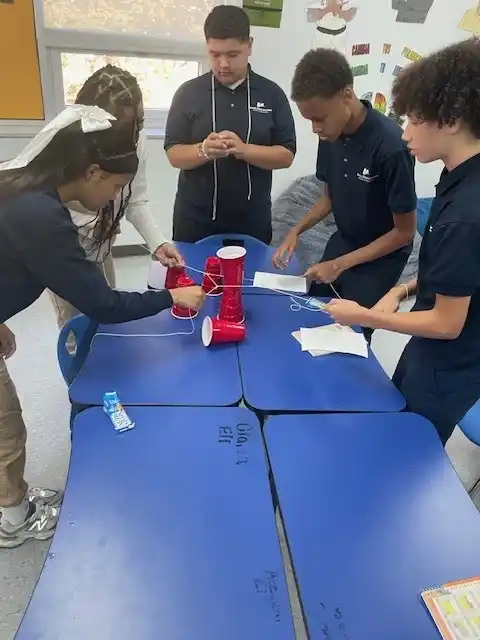
A middle school STEM event, a classroom presentation, a robotics competition, an Army laboratory tour, or a summer internship can become THE experience that inspires a future engineer or scientist to pursue a STEM career.
Every educational partnership, internship opportunity, mentoring experience, and community outreach activity contributes to strengthening the long-term talent pipeline supporting the Army’s mission.
Across the Department of Defense, modernization depends not only on developing advanced technologies, but also on developing the people capable of creating, testing, and sustaining those technologies.
Supporting that workforce pipeline is an investment in the Army’s future readiness.
Whether engaging a sixth-grade student attending their first STEM event, mentoring a high school intern inside an Army laboratory, or helping coordinate opportunities for college engineering students, the objective remains the same:
To help inspire and develop the next generation of innovators who will contribute to the Army’s mission for decades to come.
About The Avery Group
The Avery Group provides program management, workforce development, STEM outreach, operational planning, communications, stakeholder engagement, and organizational support services to federal agencies. Through its partnership with the DEVCOM Armaments Center STEM Office, The Avery Group has supported the Government’s efforts to strengthen STEM outreach, enhance operational coordination, improve program visibility, expand educational partnerships, and contribute to the long-term development of the Army’s future workforce.
Read more about our work supporting the DEVCOM Armaments Center STEM Office: