
In the corridors of federal agencies across the nation, a quiet revolution is taking place. From the CDC’s laboratories to the Department of Veterans Affairs telehealth centers, government IT teams are dismantling decades-old data silos and building connected, secure systems that serve millions of Americans more effectively.
When the Centers for Disease Control and Prevention approached us about their laboratory IT infrastructure, the challenge wasn’t just about outdated computers—it was about 200+ labs operating in isolation. Scientists couldn’t efficiently share critical research data. Security protocols varied wildly across facilities. Each lab had become its own island in what should have been an interconnected archipelago of public health excellence.
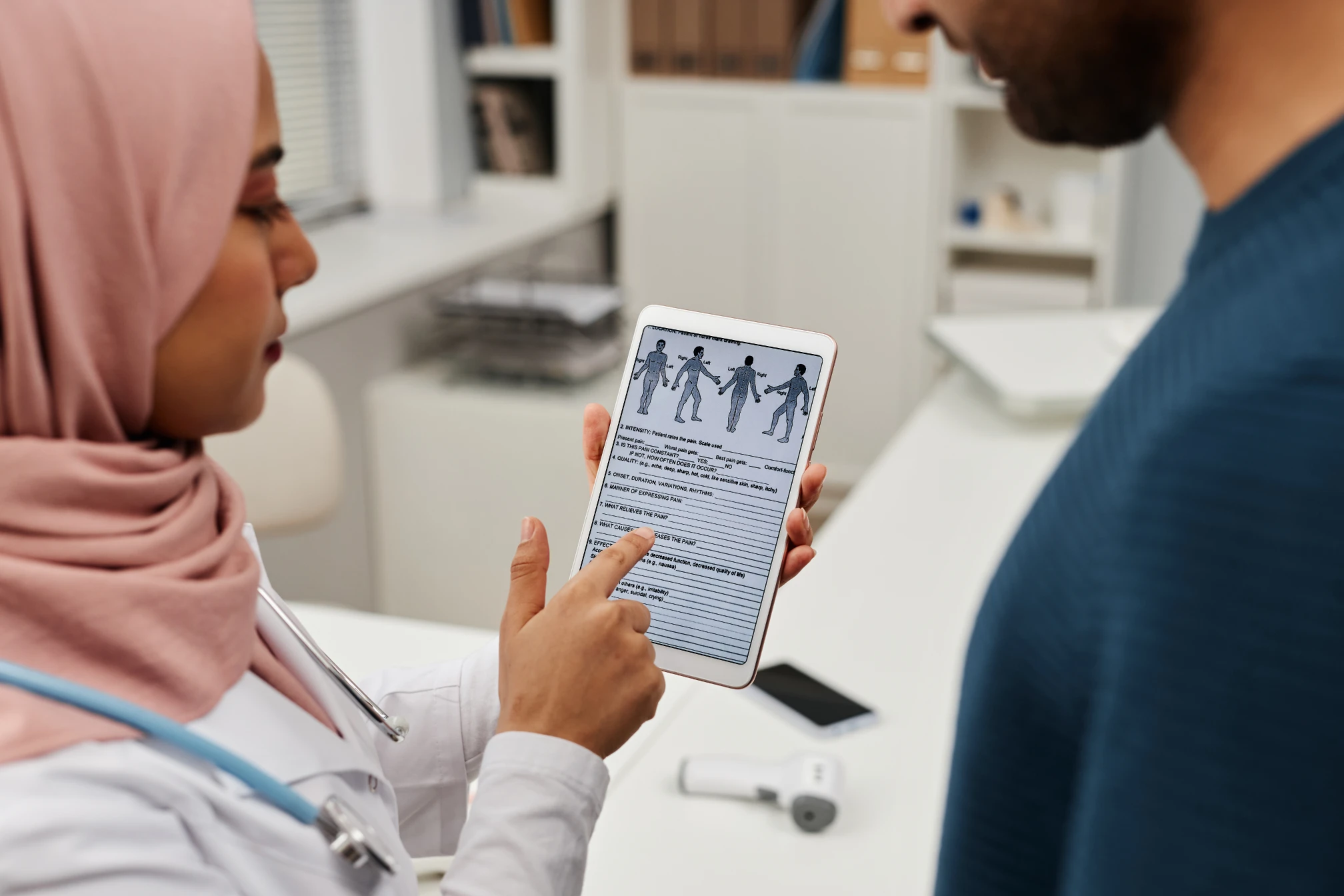
This scenario plays out across federal agencies daily. The Department of Veterans Affairs discovered similar fragmentation when evaluating their VET-HOME telehealth program. Valuable data about veteran satisfaction and healthcare utilization sat trapped in separate systems, making it nearly impossible to identify patterns that could improve care for our nation’s heroes.
Most IT modernization efforts focus on replacing old systems with new ones. But true transformation requires understanding how data flows—or fails to flow—between people, processes, and technology. Our experience with Army DEVCOM’s STEM outreach program perfectly illustrates this principle.
The challenge wasn’t just creating a digital internship platform; it was designing a system that connected educators, students, HR professionals, and program managers in ways that had never existed before. By mapping these relationships first, we increased student engagement by 25% and successfully placed interns from underrepresented backgrounds into meaningful defense technology roles.
Federal agencies need more than software—they need systems that talk to each other. When we began supporting the VA’s Electronic Health Record integration with Cerner, our team discovered that successful modernization meant bridging not just technical architectures, but organizational cultures.
Testing and quality assurance became exercises in translation, ensuring that telehealth platforms could seamlessly exchange information with electronic health records while maintaining the security and reliability that veterans deserve. The result? Healthcare providers now access patient information more efficiently, and veterans receive more coordinated care.
Every modernization effort we undertake begins with a fundamental question: How do we make this more secure than what came before? At the CDC, deploying ISLE systems across 200 laboratories meant implementing robust security protocols that protected sensitive research data while enabling the collaboration that drives scientific breakthroughs.
This security-first approach doesn’t slow innovation—it accelerates it. When teams trust their systems, they focus on mission-critical work instead of worrying about data breaches or compliance failures.
Behind every successful IT modernization project are dedicated public servants who understand their agency’s mission deeply. Our role isn’t to replace their expertise but to amplify it through better tools and processes.
Whether we’re developing predictive models for veteran healthcare utilization or creating automated reporting systems for CDC laboratory performance, the goal remains constant: empowering federal employees to serve the American people more effectively.
As federal agencies continue modernizing their IT infrastructure, the agencies that succeed will be those that view technology as a means to strengthen human connections—between researchers and data, between healthcare providers and patients, between educators and students.
The future of government IT isn’t about having the latest technology; it’s about having technology that serves the mission. And in federal service, that mission is always about serving others.
The Avery Group specializes in IT modernization, data integration, and digital transformation for federal agencies. Our team combines technical expertise with deep understanding of government operations to deliver solutions that enhance mission effectiveness while maintaining security and compliance.